
What is Police Trade-in Ammo?
Posted by Recoil Gunworks on Aug 13th 2024
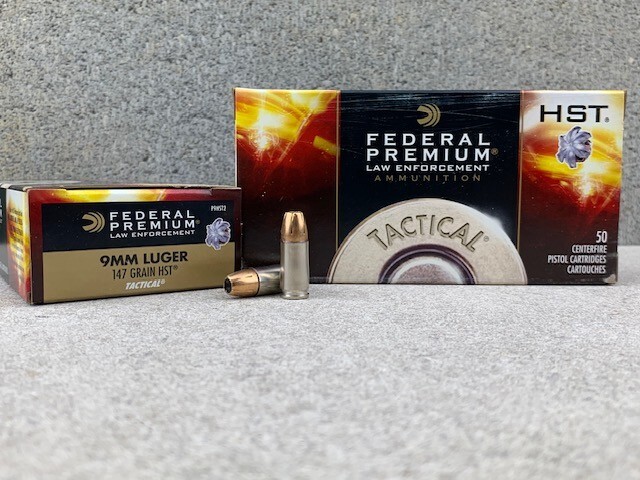
Police trade-in ammunition refers to surplus or excess ammunition that law enforcement agencies (police departments, sheriff's offices, federal agencies) sell or trade to retailers, distributors, or directly into the civilian market at discounted prices. This ammo is typically high-quality duty or carry ammunition (often premium hollow-point or bonded loads) that was issued to officers but is no longer needed due to policy changes, expiration policies, caliber transitions, or overstock.
These rounds are popular among civilian shooters because they often come from trusted brands used in real-world law enforcement, are sold in bulk at lower prices than retail, and are generally in excellent condition with low or no use.
What Ammunition Do Police Departments Typically Use?
Modern U.S. law enforcement agencies have largely standardized on 9mm Luger (9x19mm) for duty handguns, following the FBI's return to 9mm around 2015–2016 due to improved bullet technology, higher capacity, lower recoil, and better controllability. This trend has continued strongly into 2025–2026.
Common calibers and specific loads include:
- 9mm Luger (most common by far):
- Speer Gold Dot (e.g., 124-grain +P JHP) — Widely used by NYPD, California Highway Patrol, and many others.
- Federal HST (e.g., 124-grain or 147-grain +P JHP) — Popular with departments like Arlington County PD and Rochester PD.
- Winchester Ranger (e.g., 124-grain +P bonded JHP) — Common in places like Chicago PD and DC Metro PD.
- Hornady Critical Duty (e.g., 124-grain +P).
- Legacy/less common calibers (often seen in trade-ins due to transitions away from them):
- .40 S&W — Still abundant in trade-ins from older inventories (e.g., Speer Gold Dot, Winchester Ranger T).
- .45 ACP — Less common now but still issued in some places.
- .357 SIG — Seen in some federal or state agencies (e.g., older Gold Dot loads).
Rifle rounds for patrol rifles (e.g., AR-15 platforms) often include .223 Remington / 5.56x45mm (e.g., Remington 55-grain) or specialized loads, but handgun ammo dominates trade-in discussions.
Premium "duty" ammo from these brands is engineered for reliable expansion, barrier penetration, and terminal performance per FBI protocols (typically 12–18 inches penetration in ballistic gelatin).
Why Do Police Departments Sell or Trade-In Surplus Ammunition?
Law enforcement agencies accumulate surplus ammo for several practical and budgetary reasons:
- Caliber transitions — Many departments switched from .40 S&W or .45 ACP to 9mm in recent years (or from older .357 SIG setups). They trade or sell off the old caliber stock when upgrading firearms and ammo contracts.
- Expiration or shelf-life policies — Some agencies treat ammunition as having a limited service life (e.g., 5–10 years, depending on storage and manufacturer guidelines), even if unopened. They rotate stock and offload older lots to avoid liability or performance concerns.
- Overstock or bulk purchasing — Departments buy large quantities via contracts; extras result from training changes, budget shifts, or fewer rounds expended than anticipated.
- Trade-in deals for new equipment — Agencies often trade surplus ammo (along with old guns or gear) to distributors as partial payment for new firearms, ammo, or equipment. This reduces taxpayer costs by offsetting purchases.
- Range/training restrictions — Some indoor ranges prohibit certain duty ammo (e.g., non-"green" or frangible alternatives), so departments collect and resell unused duty loads.
This practice minimizes waste, recoups value, and helps fund modern equipment upgrades.
How to Evaluate the Quality of Police Trade-In Ammunition
Police trade-in ammo is generally high-quality and reliable, as it was procured to strict law enforcement standards and often saw minimal handling (carried but not fired). However, always inspect and test it yourself—treat it like any surplus purchase.
Key steps for evaluation:
- Check packaging and labeling:
- Look for factory-sealed boxes from reputable brands (Speer, Federal, Winchester, Hornady).
- Verify lot numbers, dates, and that it's genuine LE/contract loads (often marked "LE" or similar).
- Avoid loose-packed or repackaged ammo unless from a trusted seller.
- Inspect physically:
- Examine cartridges for corrosion, dents, primer setbacks, or discoloration (green patina or rust indicates poor storage).
- Check for proper crimps (especially on hollow points) and consistent bullet seating.
- Ensure no signs of reloading or tampering.
- Storage and age considerations:
- Ammo stored properly (cool, dry, stable environment) lasts decades.
- Older lots (e.g., 5–15 years) are common in trade-ins but usually fine if unopened.
- Some agencies rotate every few years; others keep longer.
- Test fire (strongly recommended):
- Run a sample through your firearm for function (feeding, ejection, reliability).
- Chronograph velocities if possible to confirm they match specs (duty loads often have +P pressures).
- Test expansion/penetration if you have access to ballistic gelatin (compare to FBI standards).
- Buy from reputable sources:
- Vendors like AIM Surplus, Bucking Horse Outpost, or specialized retailers often describe condition.
- Read reviews and seller descriptions for any known issues (e.g., specific lots).
- Potential red flags:
- Loose bulk without original packaging.
- Signs of exposure to extreme conditions.
- Mix of brands/lots in one purchase (unless disclosed).
Overall, police trade-in ammo is often a great value for range use, training, or even defensive stockpiling—many shooters report it performs as well as (or better than) new retail equivalents due to its premium origins.
If you're considering a purchase, always prioritize safety: inspect, test in small batches, and store properly. This market offers excellent deals on proven duty-grade ammunition.